Easter Boy, Easter SVG
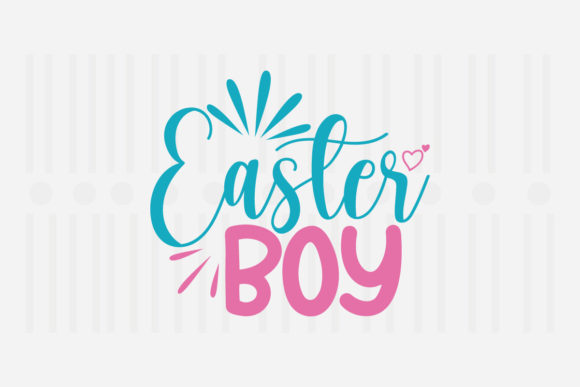
As someone who’s stitched hundreds of holiday designs—from delicate monograms on baby onesies to bold patches for boutique aprons—I opened Easter Boy, Easter SVG expecting charm, but what stood out immediately was its quiet versatility. It’s not overly cutesy or cartoonish; instead, it carries a gentle, approachable warmth—think soft-lined lettering paired with a subtle boy-in-bunny-ears motif that reads as sweet without tipping into saccharine. That balance matters deeply when you’re building a cohesive collection for an Etsy shop or curating nursery decor for a local boutique.
First Impressions: Mood, Shape, and Embroidery Readiness
The design feels intentionally minimal—not stripped down, but thoughtfully edited. The layout is horizontal and compact, with generous negative space around the central figure and phrase. That breathing room is gold for embroidery: it means fewer stabilizer compromises, easier hooping, and cleaner stitch transitions on curved surfaces like tote bag handles or cap fronts. Visually, it leans into springtime serenity rather than Easter frenzy—no glitter bombs or chaotic eggs here. That makes Easter Boy, Easter SVG especially effective for baby embroidery, personalized tea towels, or linen pillow covers where subtlety elevates handmade appeal.
Real-World Use: From Sweatshirt to Small Shop Shelf
Last week, I prepped a custom embroidered cotton-linen blend tote for a local children’s bookstore—part of their Easter gift bundle. I used Easter Boy, Easter SVG as the front focal point, scaled to 3.8 inches wide. On fabric with moderate texture, the clean lines held up beautifully in satin stitch for the outline and soft fill stitch for the interior shapes. No thread nesting, no puckering—even without heavy cutaway stabilizer (I used medium-weight tear-away). That’s a strong signal this design translates well to real apparel: sweatshirts, lightweight hoodies, and even structured caps—provided you adjust hoop placement for crown curvature.
For small business owners, its adaptability shines in layered offerings. Pair it with a coordinating “Easter Girl” design for gender-neutral gifting, or use the color-change feature (noted in the product description) to offer customers a choice between mint-and-cream or navy-and-ivory thread palettes. That flexibility supports both personalization and branding consistency—critical when your craft business relies on repeat buyers trusting your aesthetic judgment.
Where to Proceed With Care
While Easter Boy, Easter SVG performs well across many substrates, it’s not universally forgiving. On ultra-thin fabrics like rayon challis or lightweight voile, the fill areas can telegraph if stitch density isn’t dialed back—so always test on scrap first. Similarly, stretchy knits (think baby bodysuits or ribbed lounge sets) need proper stabilizer pairing: light cutaway + topping for crispness without stiffness. And though the design avoids micro-detail, the small ears and facial suggestion do rely on clean satin edges—if your machine struggles with tight curves or inconsistent tension, those elements may soften slightly on dark fabric unless contrast thread is chosen deliberately.
It’s also not ideal for tiny hoops under 4x4 inches without simplification—some subtle layering in the original SVG could compress poorly at sub-3-inch scaling. If you’re planning embroidered patches or iron-ons, verify whether the file includes clean vector paths for clean cut lines (EPS/SVG format helps here), and confirm that your digitizing software interprets the layers as intended before converting to PES or DST.
What It Adds—and What It Doesn’t Promise
This isn’t a high-density, multi-step applique design—it’s a streamlined digital embroidery file built for clarity, speed, and charm. Its strength lies in how it enhances perceived value without demanding technical gymnastics: a single-color version on a cream sweatshirt reads polished and intentional; a two-tone version on a denim jacket pocket adds just enough seasonal flair. Customers notice that polish—it builds trust in your handmade product, especially when selling through Etsy or craft fairs where first impressions are visual and immediate.
That said, don’t expect built-in commercial licensing just because it’s labeled “100 Color Changeable” or includes EPS/SVG files. Those features speak to flexibility—not usage rights. Always double-check the license terms before bundling Easter Boy, Easter SVG into a digital product pack or printing it wholesale on mugs for resale. As a designer, I treat every graphics purchase like a long-term asset: if I’m using it across client work, shop merchandise, and printable mockups, I need clarity on scope—not assumptions.
Practical Designer Notes Before You Stitch
- Test the design on scrap fabric matching your final substrate—especially for texture and stretch.
- Check thread color contrast against both light and dark backgrounds using simple black-and-white mockups.
- Review stitch density visually in your embroidery software—look for potential crowding in curved sections.
- Confirm hoop size compatibility early; avoid forcing tight curves into undersized hoops.
- Inspect small details at 200% zoom—do the ears read clearly? Does the face retain expression?
- Use appropriate stabilizer: tear-away for stable wovens, cutaway for knits, topping for napped fabrics.
- If offering personalized gifts, clarify with customers whether they prefer full-color, monochrome, or outline-only versions.
- Verify commercial use rights before listing finished embroidered items or reselling the file as part of a craft business toolkit.
In short, Easter Boy, Easter SVG earns its place in a working designer’s library—not as a novelty, but as a quietly reliable tool. It fits naturally into holiday embroidery workflows, supports thoughtful product storytelling, and scales gracefully from baby onesie to boutique tote. For crafters, Etsy sellers, and small shop owners building authentic, handmade collections, it’s less about “what it is” and more about “how it serves”—and in that, it delivers.