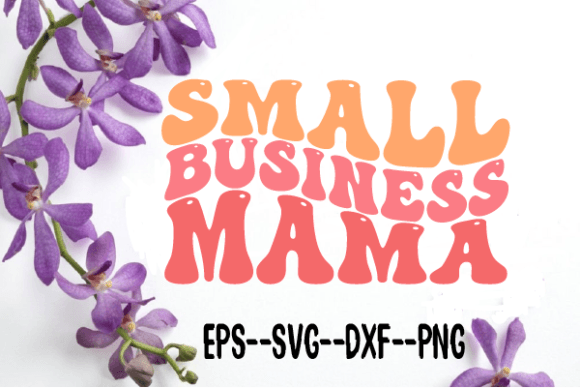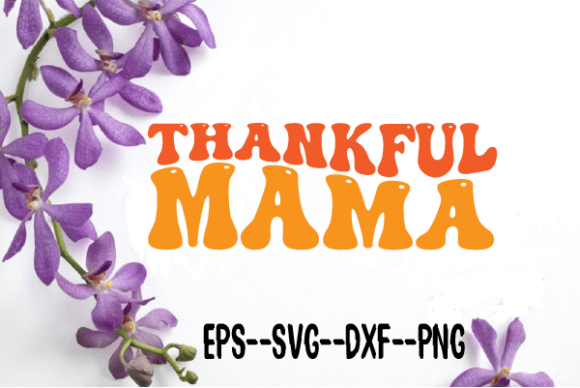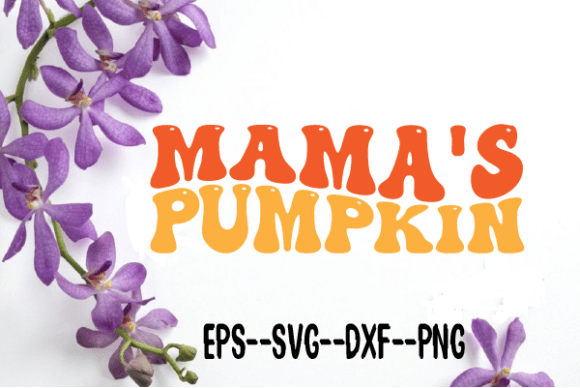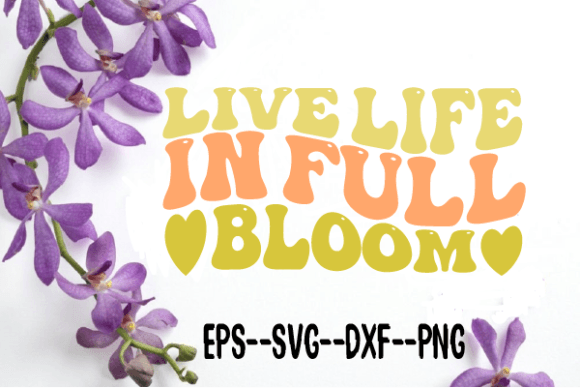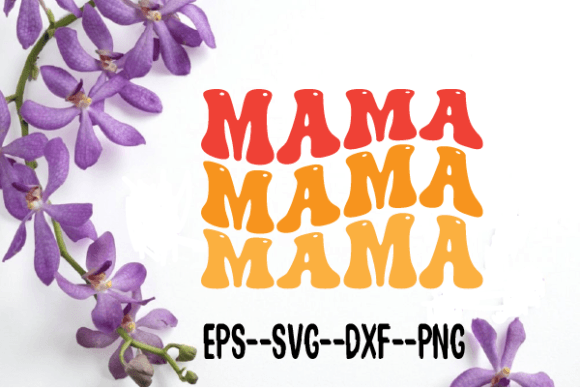
Mama New Wavy Retro SVG Sublimation
First Impressions: A Nod to Nostalgia, Not Just Noise
When I opened Mama New Wavy Retro SVG Sublimation, I didn’t just see lines and curves—I felt the quiet confidence of a design that knows its lane. It’s not loud or overly busy; instead, it leans into soft rhythm—gentle undulations in the letterforms, subtle spacing, and a warmth that reads as handmade, even before stitching begins. As an embroidery designer who’s stitched hundreds of “mom”-themed pieces for baby showers, boutique aprons, and personalized tote bags, I appreciate how this design avoids cliché. No cartoon hearts, no exaggerated script—it’s grounded, approachable, and quietly stylish. That matters when you’re building a cohesive brand for your craft business or prepping a holiday gift that’ll live on a nursery wall for years.
Where It Shines: Real Projects, Real Fabric
I tested Mama New Wavy Retro SVG Sublimation as the focal point on a heavyweight cotton canvas tote bag—and it worked beautifully. The wavy flow translated smoothly into satin stitch outlines with clean fill-stitch interiors. Because the design isn’t packed with micro-details or tight corners, it held up across varied fabric textures: smooth twill for sweatshirt embroidery, terry cloth for kitchen towels, and even lightweight linen for pillow covers. For Etsy sellers offering custom apparel, this is gold—it scales well from small (a 3" hoop on a baby onesie) to medium (5" on a crewneck), and its open layout gives breathing room for stabilizer support without muddying the visual impact.
It also fits naturally into seasonal and sentimental contexts: a muted sage version on a linen tea towel for Mother’s Day, a warm terracotta tone on a cotton-blend apron for a small shop’s branding, or crisp white thread on navy denim for a boutique tote line. Unlike dense machine embroidery designs that risk stiffness or puckering, Mama New Wavy Retro SVG Sublimation keeps the finished product feeling light, wearable, and authentically handmade.
Where to Pause—and Plan Ahead
This isn’t a one-size-fits-all embroidery file. Its gentle curves and moderate stroke weight mean it performs best on stable, medium-weight fabrics. On thin or highly stretchy knits—think lightweight jersey tees or ribbed baby caps—I’d recommend adding cutaway stabilizer *and* reducing stitch density slightly in mockups first. Curved surfaces like baseball caps require careful digitizing adjustments; if you’re converting this SVG into an embroidery file yourself, avoid placing the full design across the front curve unless you’ve tested alignment and distortion.
Dark fabrics call for thoughtful thread color choices: a pale peach or oatmeal thread maintains the retro softness without fading into the background. And while the design avoids tiny lettering, don’t assume it’s foolproof for sub-3" hoops—inspect the narrowest parts of the “wavy” baseline in your embroidery software. If you’re planning embroidered patches or iron-ons, confirm whether the original DXF or EPS file includes clean vector paths for precise cutting.
Design Assets That Support Your Craft Business
As a digital product seller and reviewer, I pay close attention to how a graphic supports—not complicates—real workflows. Mama New Wavy Retro SVG Sublimation delivers clean, scalable vectors (DXF and EPS) that integrate smoothly into both sublimation prep and embroidery digitizing pipelines. That dual-use flexibility makes it valuable for makers juggling multiple product types: same design, different outputs—mugs, pillows, *and* stitched items—all under one consistent visual language.
For small shop owners curating a “motherhood collection,” this design helps unify offerings without looking repetitive. Pair it with minimalist floral motifs or neutral-toned applique designs, and you’ve got a cohesive line—not just a single graphic. And because it avoids trendy over-design, it won’t date quickly. That longevity builds customer trust: buyers recognize quality curation, not just fast-turnaround clipart.
Practical Notes Every Embroidery Designer Should Run Through
- Always test on scrap fabric first—especially if using textured weaves or dark backgrounds.
- Check thread color contrast in natural light; some retro palettes look softer on screen than in person.
- Review stitch density in your embroidery software—adjust fill angles or reduce density if stitching feels heavy on lightweight cotton.
- Confirm hoop size compatibility before finalizing placement on curved or layered garments.
- Inspect small details like wave endpoints—if they’re too fine, they may vanish in satin stitch without slight thickening.
- Test black-and-white mockups to ensure legibility and balance without color crutches.
- Use proper stabilizer: tear-away for stable fabrics, cutaway for knits or high-wear items like tote bags.
- Verify licensing terms before selling finished embroidered products or bundling the file commercially—this is a Graphics asset intended for Crafts use, but commercial rights depend on the creator’s policy.
Final Thought: Design That Feels Like a Choice, Not a Compromise
Mama New Wavy Retro SVG Sublimation doesn’t shout. It invites. It works because it respects the craft—both the precision of machine embroidery and the warmth of a personalized gift. Whether you’re stitching a baby embroidery piece for a friend’s nursery, prepping holiday embroidery for your Etsy shop, or developing a small batch of custom apparel for a local boutique, this design holds space for intentionality. It’s proof that thoughtful simplicity—clean lines, balanced rhythm, quiet personality—can carry more weight than complexity ever could. Use it well, test it honestly, and let it speak for the care behind your handmade product.