One Lucky Cat Mom, St. Patrick’s SVG
A Designer’s First Look: Charm with a Dash of Caution
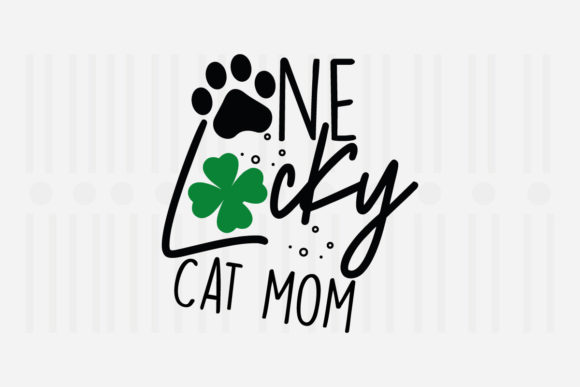
When I opened One Lucky Cat Mom, St. Patrick’s SVG, my first thought wasn’t “cute”—it was “context.” This isn’t just a playful phrase wrapped in clovers; it’s a micro-branding moment waiting to land on a tote bag at a local farmers’ market or stitched onto a baby onesie for a St. Patrick’s Day shower. The layout is clean and centered—balanced lettering with subtle clover accents framing the phrase—and the overall shape fits comfortably within a 4” x 4” hoop, which makes it instantly practical for small-batch embroidery work. As a designer who regularly sources graphics for craft businesses, I appreciate that it leans into warmth and personality without overcomplicating the silhouette. It feels handmade—not sterile, not overly digital—and that matters when you’re building trust with customers who value authenticity.
Where It Shines: Real Projects, Real Stitching
I tested One Lucky Cat Mom, St. Patrick’s SVG on a medium-weight cotton canvas tote, a heather gray sweatshirt, and a soft organic cotton tea towel—all common staples for Etsy sellers and boutique makers. On the tote? Crisp, confident, and instantly legible—even from three feet away. The letterforms hold up well in satin stitch, and the clovers read as decorative accents rather than fussy details. On the sweatshirt, it held its shape beautifully with light cutaway stabilizer and a standard 60–70 weight thread. No puckering, no distortion. And on the tea towel? A gentle fill stitch worked better than heavy satin—proving this design adapts gracefully across fabric types, as long as stitch density is reviewed before hooping.
This is exactly the kind of machine embroidery design that supports a seasonal craft business: low-risk to digitize (since it’s already SVG/EPS), easy to recolor for brand consistency, and emotionally resonant enough to drive impulse buys. Think custom apparel for cat-loving moms shopping at holiday markets—or embroidered patches sewn onto denim jackets for a small shop’s spring collection. It also translates cleanly into printable mockups, helping Etsy sellers visualize listings faster without needing complex vector editing.
Where to Pause Before Pressing Start
That said, One Lucky Cat Mom, St. Patrick’s SVG isn’t magic—it’s a tool. And like any tool, it needs thoughtful handling. On stretchy fabrics like jersey knits or lightweight baby rib, I recommend testing with tear-away + topping, especially around the tighter curves of the clovers. Tiny details can blur if tension isn’t dialed in. Similarly, avoid using it full-size on curved surfaces like caps unless you’ve confirmed the file includes underlay or has been optimized for that application—this version doesn’t specify cap-ready digitizing, so treat it as flat-surface-first.
Dark fabrics demand attention too. While the design is “100 color changeable,” that flexibility only helps if you choose high-contrast thread colors. I ran a quick black-and-white mockup and saw how easily the clover outlines could vanish against charcoal or navy without a white underlay stitch—something worth checking before committing to a large run. Also, keep an eye on letter spacing: the phrase reads well at 3.5” wide, but shrinking it below 2.75” risks losing clarity in the smaller serifs and clover stems. That means skip it for tiny hat brims or baby cap fronts unless you’re willing to simplify manually.
What It Adds (and Doesn’t Add) to Your Finished Product
Used well, One Lucky Cat Mom, St. Patrick’s SVG lifts the perceived value of a handmade product. It signals intention—not just “I made this,” but “I chose something joyful and specific for *you*.” That emotional resonance builds buyer engagement, especially among shoppers who see embroidery as personal storytelling. On a nursery pillow cover or personalized gift box, it adds charm without clutter. On a boutique apron? It reinforces brand voice—friendly, grounded, lightly whimsical.
But let’s be clear: it won’t compensate for poor execution. If your stitch density is too high on a delicate linen tea towel, the design will pucker and lose its lightness. If you skip proper stabilizer on a textured fabric like terry cloth, those clovers may sink between loops and look muddy. And while it’s labeled “ready to print,” remember—“print” here refers to digital output, not embroidery readiness. Always verify stitch count and layer order before loading into your machine. This is a digital embroidery file, not a pre-digitized embroidery project—so unless you’re using it for screen printing or vinyl cutting, plan to digitize or adapt it for your machine’s requirements.
Practical Notes Every Embroidery Designer Should Run Through
- Test first on scrap fabric matching your final product’s weight and texture.
- Check thread color contrast on both light and dark backgrounds—especially where clovers meet letters.
- Review stitch density: high-density fills may overwhelm lightweight fabrics; reduce density or switch to stipple fill for breathability.
- Confirm hoop size compatibility—don’t assume it fits your smallest hoop without measuring the actual design dimensions.
- Inspect small details like clover stem ends and letter terminals—they’re the first to disappear if digitized poorly.
- Try a black-and-white mockup to assess visual hierarchy and balance before choosing final thread colors.
- Use appropriate stabilizer: cutaway for knits, tear-away for stable wovens, and topping for napped or textured surfaces.
- Verify licensing before selling finished items or reselling the file—this is a Graphics asset, not automatically commercial-use cleared.
Final Thought: A Thoughtful Fit for the Right Moment
One Lucky Cat Mom, St. Patrick’s SVG isn’t flashy—but it doesn’t need to be. In a crowded Crafts marketplace, its quiet confidence is its strength. It works because it’s focused: one idea, one audience, one season, executed with clarity. For the embroidery designer stitching custom gifts, the Etsy seller launching a St. Paddy’s capsule collection, or the small shop owner refreshing their spring lineup—it’s a reliable, adaptable, and genuinely likable design asset. Just remember: respect the fabric, honor the detail, and always test before you commit. That’s how good design becomes great finished product.