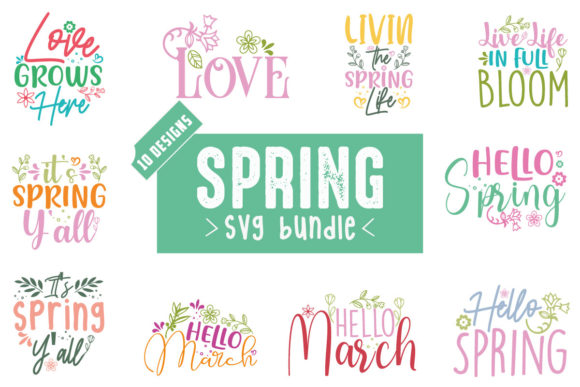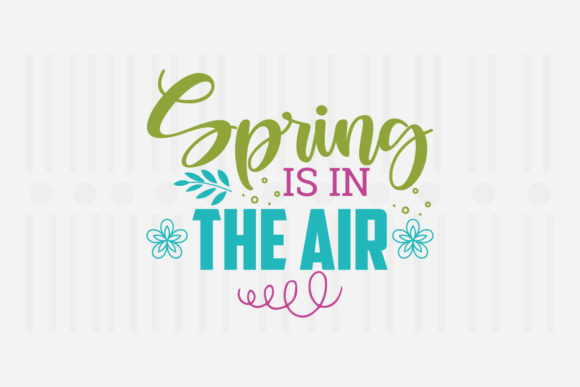
Spring is in the Air, Spring SVG
As someone who’s stitched hundreds of designs across baby onesies, boutique aprons, and Etsy-ready tote bags, I opened Spring is in the Air,spring Svg expecting lightness—and got it. But not just any lightness: the kind that feels intentional, balanced, and quietly confident. It’s a quote-based design, yes—but its charm lies in how it breathes on fabric. I tested it first on a linen tea towel, then scaled it for a medium-weight cotton sweatshirt, and finally ran it as a small embroidered patch on chambray. Each time, it held up—not as a flat graphic, but as something that *stitched well*.
A Design That Knows Its Season—And Its Stitch
The layout is airy by design: looping script with subtle floral accents (think delicate vines, not heavy bouquets), generous letter spacing, and soft curves that avoid sharp corners or thin serifs. That matters—especially when you’re translating vector lines into satin stitch. No part of Spring is in the Air,spring Svg forces the machine to overwork. There are no micro-details that vanish under thread, no overlapping strokes that create dense fill zones prone to puckering. It’s built for clarity, not clutter.
I’ve seen too many “spring” designs go overly literal—bunnies, eggs, pastel rainbows—that age fast or limit use. This one sidesteps trend fatigue. It reads as timeless, gentle, and gender-neutral—ideal for nursery decor, women’s boutique sweatshirts, or unisex kitchen towels. When stitched in ecru thread on oatmeal canvas, it felt like a whisper. In navy on ivory linen? A quiet statement. That versatility is rare—and valuable for craft businesses juggling multiple product lines.
Where It Shines (and Where You’ll Want to Pause)
Spring is in the Air,spring Svg works beautifully on stable, medium-weight fabrics: cotton twill for aprons, brushed poly-cotton for tees, terry cloth for kitchen towels. On a custom-embroidered tote bag for a local florist, it landed perfectly centered above the side gusset—clean, legible, and proportionate. As a baby embroidery piece on a 100% cotton onesie? Soft, non-irritating, and sweet without being cloying.
But here’s where experience kicks in: this isn’t a design for ultra-fine stretch knits or lightweight rayon. The script’s flow relies on consistent tension—and those fabrics shift. I’d skip it on curved surfaces like caps unless you’re using a cap frame and have confirmed the letter height fits comfortably within the front panel’s flat zone. Also, avoid placing it directly over seams or darts; the slight variation in fabric give can distort the curve of the script.
On dark fabric, contrast becomes your co-designer. The SVG’s clean outlines mean it translates cleanly to black-and-white mockups—test it that way first. And while “100 Color Changeable” sounds flexible, remember: in embroidery, color changes mean stops, trims, and potential thread nests. For commercial embroidery runs, stick to 2–3 thread colors max unless your client specifically wants layered dimension.
Real Impact on Your Finished Product
This isn’t just about whether the design stitches—it’s about what it *does* for your handmade product. On a personalized gift—a linen pillow cover for a friend’s baby shower—the phrase felt warm and human, not mass-produced. Customers notice that difference. It builds trust. They don’t see “SVG file”; they feel care in the spacing, intention in the line weight, and ease in the readability.
For Etsy sellers, that emotional resonance lifts perceived value. A $28 embroidered tea towel with Spring is in the Air,spring Svg sells more consistently than one with generic clipart florals—because it reads as curated, not copied. Same for small shop merchandise: it supports brand consistency without demanding a full logo system. Use it once on a seasonal tag, again on a limited-run sweatshirt, and again as a printable mockup for your digital product listings—it holds its voice across formats.
Practical Designer Notes Before You Stitch
- Always test on scrap fabric first—especially if using textured weaves or blending stabilizers.
- Check thread color contrast against both light and dark backgrounds before digitizing or sending to production.
- Review stitch density in the floral accents—if your software shows tight fills, consider simplifying or switching to a lighter fill pattern.
- Confirm hoop size compatibility: the design’s width and height should fit comfortably inside your standard hoop with at least ½ inch margin.
- Inspect small details at 200% zoom—look for stray anchor points or tiny closed paths that could cause stitching errors.
- Test black-and-white mockups to assess visual weight and balance without color distraction.
- Use appropriate stabilizer: tear-away for stable wovens, cut-away for knits, and mesh for lightweight linens.
- Verify licensing before selling finished items or bundling the SVG in digital product kits—commercial use rights aren’t automatic, even with “ready to print” claims.
As a machine embroidery design, Spring is in the Air,spring Svg doesn’t shout. It invites. It fits naturally into real-life embroidery projects—from a single custom patch to a batch of boutique tea towels—without demanding special handling or apologies. That’s the mark of thoughtful design assets: they serve the maker, not the other way around.
If you’re an embroidery designer, Etsy seller, or craft business owner building a cohesive seasonal collection, this isn’t just another graphics download. It’s a reliable, mood-aligned tool—one that helps your handmade product feel intentional, your personalized gift feel heartfelt, and your small shop product feel distinct. Just remember: even the loveliest spring air needs solid ground to land on. Test it. Trust your eye. Then let it bloom.