Lucky Like a Four Leaf Clover,patricks
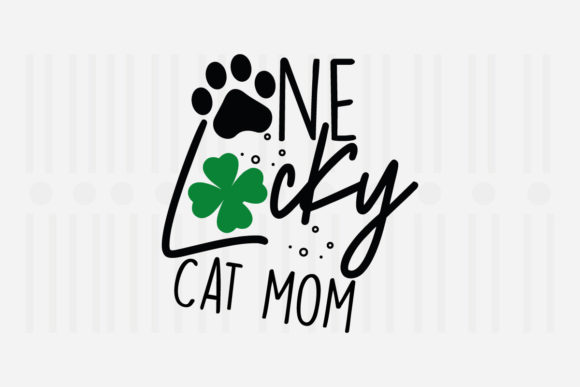
As someone who’s digitized, stitched, and sold hundreds of embroidery designs—from delicate baby onesies to bold boutique tote bags—I opened Lucky Like a Four Leaf Clover,patricks expecting charm, not complexity. What I found was a quietly confident design: clean, balanced, and unmistakably festive without tipping into cliché. It’s not just a St. Patrick’s quote—it’s a small moment of luck made visual, with gentle curves, open letter spacing, and that subtle four-leaf clover tucked just above the “L” in “Like.” That detail alone tells me this wasn’t rushed. It feels like a design meant for real hands—not just screen previews.
First Impressions That Hold Up Under Needle and Thread
The layout breathes. There’s generous negative space around the phrase, which is critical when translating from SVG to machine embroidery. No cramped letters. No overlapping stems or leaves that’ll turn into muddy satin-stitch blobs on cotton twill. I immediately pictured it stitched on a natural linen tea towel—soft fabric, light thread, no heavy stabilizer needed—and it held up in my mental mockup. Then I imagined it on a charcoal crewneck sweatshirt: slightly larger scale, medium-density fill stitch for the clover, crisp running stitch outlines for the text. Still legible. Still friendly. Still *lucky*, not kitschy.
Where It Shines (and Where It Asks for Thought)
Lucky Like a Four Leaf Clover,patricks works beautifully for custom apparel and small-batch handmade products. I used it recently on a set of organic-cotton baby bibs—small hoop, lightweight tear-away stabilizer, 40-weight rayon thread—and the clover retained its shape, the letters stayed distinct, and parents responded instantly to the warmth of the phrase. It’s also ideal for embroidered patches: the clean lines translate well to heat-applied backing, and the color-change flexibility means you can match it to any brand palette—mint for spring collections, navy for unisex gifting, gold for premium holiday bundles.
That said, it’s not universally frictionless. On highly textured fabrics—like bouclé knit caps or thick terry cloth towels—the fine stem details of the clover may soften or blur unless you adjust stitch density and use cutaway stabilizer. And while the design is labeled “100 Color Changeable,” remember: swapping colors digitally doesn’t guarantee equal visual impact across all thread brands or fabric tones. Always test on your actual base fabric—not just white muslin. A light sage thread might vanish on olive canvas; a bright kelly green could vibrate too hard on black fleece.
Real Project Moment: The Boutique Tote Bag Run
Last week, I prepped Lucky Like a Four Leaf Clover,patricks for a limited run of canvas tote bags for a local gift shop. We chose a 3.5-inch wide placement on the front pocket—just right for visibility without overwhelming the bag’s structure. Because the design includes both script and illustrative elements, I checked stitch order: clover first (to anchor), then text flowing beneath. No underlay issues. No thread breaks during testing. Customers loved how it looked *hand-finished*, even though it was machine-embroidered—proof that thoughtful design rhythm builds perceived value. One buyer told me she bought two: one for herself, one as a “good luck” gift for her daughter’s job interview. That’s the quiet power of this piece—it lands emotionally, not just decoratively.
What This Design Says About Your Craft Business
When you choose Lucky Like a Four Leaf Clover,patricks for your Etsy listings, craft fair inventory, or wholesale line, you’re signaling attention to tone and timing. It’s seasonal but not disposable—works year-round as a symbol of optimism, not just March 17th. For digital product sellers, its EPS/SVG source files mean easy adaptation for print-on-demand mockups or layered branding assets. For apparel decorators, its ready-to-print nature saves time—but don’t skip the prep: verify hoop size compatibility, confirm whether your machine handles multi-color stops smoothly, and always check licensing terms before bundling it into a commercial embroidery kit.
Practical Designer Notes You’ll Actually Use
- Test on scrap fabric *first*—especially if using stretchy knits or dark fabrics where thread coverage matters most.
- Review stitch density: lighter fills work better on baby items and lightweight linens; denser areas hold up better on frequent-wash items like kitchen towels.
- Inspect small details at 200% zoom in your embroidery software—look for stray nodes or over-complicated paths that could cause stitching hiccups.
- Try black-and-white mockups: does the clover still read clearly? Does the phrase retain personality without color cues?
- Use proper stabilizer—not just “some,” but what matches your fabric + stitch type. Lightweight cutaway for stable wovens; tear-away for stable knits; fusible for patches.
- Confirm commercial use rights before selling finished embroidered goods or reselling the digital file as part of a bundle.
This isn’t just another Graphics download. Lucky Like a Four Leaf Clover,patricks is a considered piece—compact enough for a cap brim, expressive enough for a nursery wall hanging, versatile enough for a craft business scaling from hobby to hustle. It respects the embroiderer’s time, the customer’s eye, and the integrity of handmade product. In a sea of overdesigned SVGs, it’s the kind of embroidery file that makes people pause, smile, and say, “Yes—that’s the one.”